The Cozy Appeal of an Independent Cafe in Monument, CO
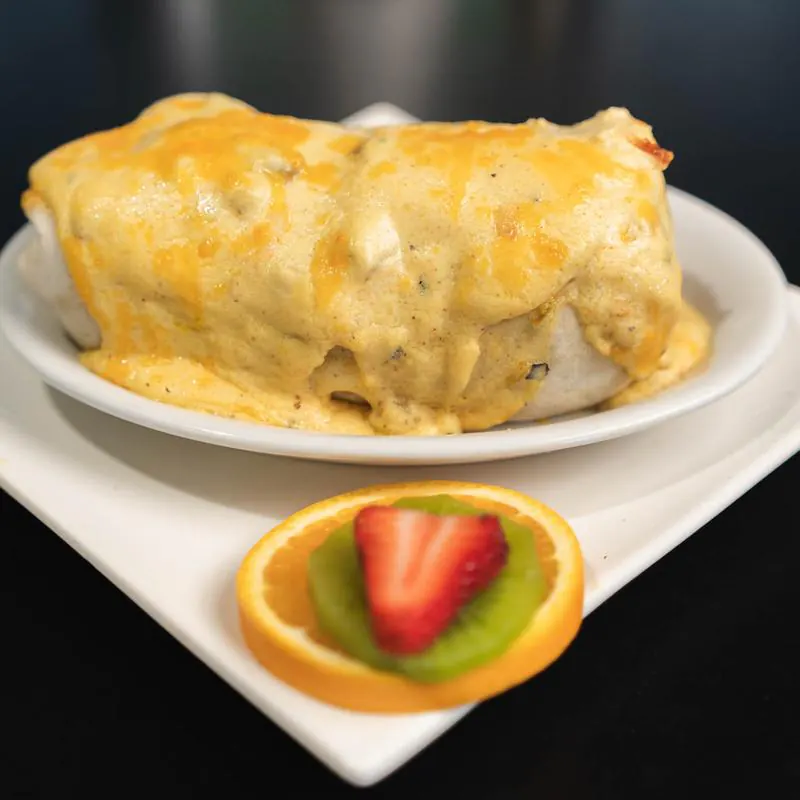
There is a particular kind of comfort that only an independent cafe can offer, and it becomes even more noticeable in a place like Monument, Colorado. This is not the anonymous comfort of a chain, where the furniture, menu, and soundtrack feel identical from one exit ramp to the next. It is a slower, more personal sort of appeal, built from familiar faces, local habits, and the small cues that tell you a business belongs exactly where it stands.
In Monument, that feeling matters. The town sits along the Front Range with a character that blends mountain access, neighborhood familiarity, and a rhythm that feels distinct from the larger cities nearby. People commute, raise families, meet clients, train for weekend hikes, and look for places where daily life can pause for half an hour without feeling wasted. An independent cafe fits naturally into that routine. It can be a morning stop before heading south on I-25, a midday refuge after errands, or a quiet corner for an afternoon reset when the weather turns cold and the sky goes bright and hard over the pines.
The phrase Cafe Monument, CO might sound like a simple local search term, but behind it sits a real set of expectations. People looking for a cafe in Monument are often looking for more than coffee. They want warmth, a sense of place, reliable quality, and an atmosphere that invites them to stay just a bit longer than planned. The best independent cafes understand that instinctively. They know they are not only in the beverage business. They are in the business of making people feel welcome without making a performance of it.
Why coziness is more than decor
When most people talk about a cozy cafe, they start with the obvious. Soft chairs, warm lighting, mugs instead of paper cups, maybe wood tables with some wear around the edges. Those things matter, but on their own they do not create the feeling people actually remember. A room can be beautifully styled and still feel cold if the service is distracted, the acoustics are harsh, or every seat seems designed to hurry you out the door.
True coziness comes from a combination of sensory and social details. It is the way the room holds sound so conversations do not bounce around like a cafeteria. It is the smell of espresso and baked goods hitting the air before you even read the menu. It is a barista who can move quickly during a rush without becoming brusque. It is the confidence that if you sit with a laptop for an hour, no one will hover, but if the shop is packed you will also sense the unspoken etiquette to share space fairly.
In a town like Monument, those details carry extra weight because people notice them. Smaller communities tend to develop strong local habits. Customers return not only because a latte tastes good, but because the place fits into the way they want to live. They remember whether the staff greeted their kids kindly. They remember whether there was enough room to meet a colleague without feeling as if they were taking over the whole shop. They remember whether the cafe felt inviting on a snowy morning, when comfort stops being a design preference and becomes the whole point.
The difference an independent cafe makes
Independent cafes operate under constraints that chains can sometimes smooth over with scale. They may have tighter margins, smaller teams, and less room for operational error. That pressure can be difficult. It can also produce a level of care that is hard to imitate.
When an owner is close to the floor, decisions tend to reflect real customer behavior rather than a national playbook. If locals prefer a less sugary seasonal drink, the menu can bend in that direction. If regulars want a breakfast option that feels substantial enough for someone heading into a long workday, the kitchen can adapt. If the community responds well to a Cafe Monument, CO bennies.cafe reading nook, a large communal table, or extended morning hours, those choices can happen because people asked for them, not because a remote office approved a market test.
That flexibility gives an independent Cafe Monument, CO patrons can genuinely connect with. You feel it in the menu language, which often sounds less processed and more straightforward. You feel it in the walls, where local art or neighborhood notices make sense instead of looking like staged authenticity. Most of all, you feel it in the rhythm of service. Staff at a good independent shop often recognize regulars by drink order, but the stronger signal is subtler than that. They understand pace. They know when someone wants a quick handoff and when someone is clearly seeking a moment of calm.
There is also a simple economic truth that residents increasingly care about. Spending money at an independent cafe tends to keep more of that money circulating locally, whether through wages, local vendors, maintenance contracts, or community involvement. People do not always choose a coffee shop for civic reasons, but it adds meaning to the experience when a pleasant routine also supports the place you live.
Monument’s setting makes the cafe experience feel different
Location changes the way a cafe functions. In a dense urban core, coffee shops are often treated as waystations, places to refuel between appointments. In a town like Monument, they can play a broader role. The environment shapes that. Weather, geography, and local patterns all influence what people need from a public space.
Monument experiences real seasons. Winter cold can settle in sharply, and a warm cafe becomes more than convenient. It becomes shelter in the best sense of the word. On spring days when the light lingers and the roads dry out, the same shop may feel airy and social. Summer brings tourists, road-trippers, and residents looking for iced drinks before outdoor plans. Fall carries its own pull, especially in a mountain-adjacent community where crisp mornings practically ask for a hot cup and a seat by the window.
That seasonal swing gives an independent cafe room to become part of people’s rituals. One regular may stop in after school drop-off, another after a trail run, another before opening a small business for the day. Over time, the cafe becomes a shared neighborhood backdrop. You may not know everyone by name, but you begin to recognize the broad cast of local life. The retired couple who splits a pastry. The contractor reviewing plans over black coffee. The remote worker who always arrives before the late-morning crowd. The friends catching up in fleeces and boots after a walk.
Those layers of routine are hard to manufacture, and they are part of why a local cafe can feel so grounded in Monument. The place does not need to announce itself as a community hub. If it is doing the job well, the community will treat it that way on its own.
What people are really looking for when they search for a cafe in Monument
Search behavior can be revealing. Someone looking up Cafe Monument, CO may think they are looking for coffee, but usually they are solving a more specific problem. They need a meeting spot halfway between home and work. They want a quiet table for an hour between appointments. They are visiting the area and want somewhere that reflects local character instead of interstate sameness. They need breakfast and caffeine without the feeling of eating in their car.
An independent cafe meets these needs best when it balances comfort with competence. Atmosphere matters, but atmosphere cannot rescue weak execution. If the drinks are inconsistent, seating is cramped, or service feels disorganized, the charm fades fast. Coziness works only when it rests on strong fundamentals.
The strongest shops tend to do several practical things well. They keep the menu approachable without making it boring. They understand that not every customer is a coffee hobbyist. Some want a carefully pulled espresso. Others simply want a hot drink that tastes balanced and arrives quickly. They offer enough food to support different use cases, maybe a pastry and a drip coffee for one person, a more filling breakfast for another, and something easy to take on the road for someone in a hurry. They create visual warmth without sacrificing cleanliness or flow. And they train staff to project calm, even during a rush, which is one of the most underrated skills in hospitality.
The atmosphere starts before the first sip
One thing experienced cafe owners learn quickly is that the first minute matters disproportionately. Customers decide how they feel about a place before they have fully processed the menu. They notice whether the entry is easy to navigate, whether they can tell where to order, whether the pastry case looks fresh, and whether the room gives them permission to settle in.
Lighting is often the first invisible success or failure. Too bright, and the room feels clinical. Too dim, and it becomes impractical, especially for people reading or working. Sound follows close behind. A truly cozy cafe allows conversation without forcing customers to lean in across the table. That usually means owners have paid attention to materials, spacing, and speaker volume, not just playlist selection.
Seating variety matters too. A row of hard chairs may look tidy, but it limits the kinds of visits the cafe can support. Some people want a quick perch. Some want a two-person table. Some want a larger surface for a laptop and notebook. The best independent cafes quietly accommodate all three.
Then there is temperature, one of the least glamorous and most important details in the business. If a cafe runs cold in winter, customers will not linger no matter how good the cappuccino is. If it runs stuffy in summer, the room starts to feel tired by noon. People may not compliment climate control, but they definitely notice when it is wrong.
Coffee quality still has to carry the experience
It is easy to romanticize the neighborhood cafe and forget that the cup itself still matters. Good intentions and warm interiors do not excuse mediocre coffee. In fact, an independent shop often faces higher expectations precisely because it feels more personal. Customers assume, reasonably, that a local business will take care with sourcing, dialing in espresso, and maintaining consistency across busy and slow periods.
Consistency is harder than it sounds. Any cafe can produce a great drink when the line is short and the most experienced barista is on bar. The real test comes at 8:00 a.m. On a cold weekday, when a dozen people are waiting, mobile distractions are buzzing, milk pitchers are rotating fast, and someone wants an unusual customization that breaks the rhythm. A well-run independent cafe stays composed under those conditions. Drinks come out balanced. Orders move at a believable pace. Staff communicate clearly. The room still feels hospitable.
That operational steadiness is part of the cozy appeal, even if customers do not describe it that way. Comfort depends on trust. You return to a cafe because you trust the coffee will be good, the service will be respectful, and the experience will not become stressful just because the place is busy.
Food can turn a coffee stop into a regular habit
A cafe does not need a sprawling kitchen to become indispensable, but food often determines whether customers visit occasionally or weekly. There is a practical reason for that. People’s lives are crowded. If a cafe can solve both hunger and caffeine in one stop, it becomes much easier to build into routine.
The sweet spot for many independent cafes is a focused selection that fits the pace of service. Fresh pastries, simple breakfast items, and a few lunch-friendly options often do more for customer loyalty than an oversized menu with uneven execution. Quality and timing matter more than volume. A warm, satisfying breakfast sandwich delivered promptly can do more to anchor regular business than ten menu items that all take too long.
There is also an emotional side to food in a cafe setting. A pastry shared at a small table can turn a quick coffee run into a real pause in the day. A muffin for a child, a quiche before a commute, or a cookie slipped into a to-go bag for later all deepen the sense that the cafe understands ordinary life. These are not extravagant gestures. They are practical comforts, and practical comforts are often the ones people remember most.
The social role of the local cafe
Independent cafes occupy a useful middle ground in public life. They are more social than an office, less formal than a restaurant, and more welcoming than many commercial waiting spaces. That makes them unusually adaptable. Two friends can catch up there without committing to a full meal. A freelancer can answer emails without isolating at home. A newcomer to town can begin to get the measure of a place simply by sitting with a coffee and watching who comes through the door.
In Monument, that role feels especially valuable. Communities with a strong residential base need what urban planners sometimes call third places, locations outside home and work where people can exist casually among others. A good cafe provides exactly that. It creates low-pressure contact. People run into neighbors, hear about local events, or simply spend time in a room that feels alive. Not every social need requires a formal gathering. Often, a healthy community is built through repeated, ordinary encounters.
The charm of the independent cafe lies partly in this modesty. It does not need to promise transformation. It just needs to offer a reliable, pleasant setting where daily life can unfold with a bit more ease.
What regulars learn, and visitors notice
Regular customers often develop a quiet literacy about a cafe. They know when to arrive for the easiest parking, which seat gets the best morning light, how the room changes once the school and commuter rush passes. They know which drink works on a bitter winter day and which one to order when summer finally settles in. That familiarity becomes its own form of comfort.
Visitors experience something related, though from the outside. When travelers find a strong local cafe, they get an unusually honest glimpse into a town. Not a curated brochure version, but the living one. They see how people dress on a weekday morning, how long they stay, what they talk about, how the staff interact with them. If a place feels generous and grounded, visitors tend to attribute that quality to the community itself, fairly or not.
That is part of why an independent Cafe Monument, CO can leave such an impression. It acts as a small ambassador for the town. A welcoming cafe suggests a place with confidence in its own identity. It says that not everything meaningful has to be scaled, branded, or standardized to count.
Small trade-offs are part of the charm
It would be too simple to pretend independent cafes are flawless. They are not. A beloved local shop may have fewer seats than customers would like on a busy morning. Parking can be tight. Hours may be narrower than a chain’s. A favorite pastry may sell out. Service may occasionally slow if one staff member calls in sick and the team has to absorb the gap. Those limitations are real.
Yet many customers accept these trade-offs because the upside is substantial. The experience feels more human. The menu has more personality. The room reflects local taste rather than a corporate trend cycle. Problems, when they arise, are usually met by people who can actually do something about them.
That exchange, slight inconvenience for stronger character, is part of what draws people back. Not everyone wants the same thing from a coffee stop. Some days speed and predictability win. But when people have a little room in their schedule, many choose the place with texture, warmth, and a sense of ownership behind the counter.
Why the best cafes feel memorable long after you leave
People rarely reminisce about a coffee shop solely because the foam art was pretty. What lasts is the full scene. The warmth of the room after stepping in from cold air. The table by the window. The sound of cups being set down. The moment of recognizing someone you did not expect to see. The feeling that no one was rushing you, but the place still had energy.
That is the real cozy appeal of an independent cafe in Monument, CO. It gathers practical needs and quiet pleasures into one setting. You can get your coffee, answer a message, meet a friend, warm up, and return to the rest of your day feeling slightly more settled than when you arrived. That may not sound dramatic, but in everyday life it is a meaningful service.
A good independent cafe does not ask to become the center of the community. It simply becomes useful, pleasant, and trustworthy enough that people keep folding it into their routines. Over time, that repeated usefulness turns into affection. And affection, more than branding or novelty, is what gives a local cafe its staying power.
For residents of Monument and for visitors passing through, that kind of place offers something increasingly rare: a public space that feels personal without being exclusive, polished without being sterile, and comfortable without trying too hard. It is just a cafe, yes, but at its best it is also one of the simplest ways a town can feel like itself.
Bennies Cafe
17230 Jackson Creek Pkwy Ste 100, Monument, CO 80132
+1 719-445-0660
FAQ About Cafe Monument, CO
What is considered a café?
A café is generally an informal place to enjoy refreshments and a meal. Bennies Cafe in Monument serves breakfast and lunch in a counter-service setting, with options including eggs Benedict, sandwiches and crepes. Guests can eat in or arrange pickup.
What is the difference between a coffee shop and a café?
The terms often overlap. A coffee shop usually emphasizes coffee and other drinks, while a café may offer a broader food menu. Check the individual establishment's menu rather than relying on its name. Bennies Cafe offers coffee drinks alongside breakfast and lunch dishes.
What is the difference between café and coffee?
In everyday English, a café is a place where people buy food and drinks, while coffee is the beverage. The word café comes from the French word for coffee. Bennies Cafe serves options such as brewed coffee, espresso and lattes as part of its drinks menu.